By Daniel K. · Updated 2026-08-14 · 12 min read
Every week, someone searches for tvpass, then adds words like “review” or “not working” before pressing enter. That pattern says a lot. People see tvpass mentioned in streaming forums and short review videos, but when they try to compare it with the IPTV services they already know, the picture gets messy. This guide compares tvpass with the standard IPTV subscriptions sold by small resellers, focusing on setup effort, stream stability, device support, pricing transparency, and what happens when a channel goes offline.
It also answers the immediate buyer questions: where to buy tvpass safely, how to install tvpass, and whether tvpass pricing in 2026 makes sense. The image above is a useful starting point. You are not comparing a branded app with a generic player; you are comparing a managed service experience with a hand-rolled provider that may change servers midweek.
Why the tvpass choice is harder than it looks
The problem is that “IPTV” describes technology, not quality. A generic IPTV subscription can be a cheap playlist file, an Xtream code, or a custom APK. tvpass is a more complete subscription layer with a defined account portal, device profiles, and a support process. That distinction matters because users often hear “10,000 channels for $10” and expect tvpass to be another one of those. It is not.
If you search “tvpass vs iptv”, you will see threads with conflicting opinions. Some users say tvpass solves the buffering problem. Others say their cheap IPTV works just fine for sports. Both can be true. The real question is how much time you want to spend installing, reconnecting, and re-authorizing your TV service. tvpass removes some of that work, but you pay for it.
Criteria that actually matter when comparing tvpass and IPTV
Before comparing side by side, decide which factors matter to you. Channel count is not the right headline. In the same way, don’t compare “internet TV” generically; compare the day-to-day experience.
- Stream stability and retention: Does the channel stay on-screen for hours, or reload every few minutes?
- Setup effort: Is it a five-minute code activation or a manual URL/APK process?
- Device coverage: Will it work on your TV, Fire Stick, phone, and computer?
- Support quality: What happens when tvpass not working at 8 pm?
- Price transparency: Does the subscription clearly state what you are buying, including renewals and limits?
- Account risk: Are you protected if the service stops tomorrow?
Use these criteria as your checklist. They will make the table below easier to understand.
tvpass vs IPTV: side-by-side comparison
Here is a practical comparison between tvpass and a standard IPTV reseller plan. It reflects the general pattern of managed IPTV subscriptions versus unmanaged resellers, not a single price point.
Treat the table as a baseline. The best tvpass subscription will always be the one with a monthly option and a direct support line.
Option A: tvpass deep dive
tvpass functions like a premium IPTV service. Instead of handing you an m3u file, it sends account details and directs you to a compatible application or branded player. The dashboard usually includes categories for sports, entertainment, news, and video-on-demand. That sounds obvious, but it changes the installation experience.
As a tvpass review, the key is the activation model. You install an app, enter a portal URL or activation code, and the service loads the channel list automatically. That means less time editing playlists and more time watching. Users who struggle with generic Xtream codes often find this easier.
The tradeoff is cost. tvpass pricing in 2026 will still be higher than a random $10 IPTV package. You are paying for server management, interface consistency, and a support person who can tell you why a channel is missing. If you watch sports, this can feel essential; if you watch basic news channels, less so.
Pros and cons of tvpass
✓ Benefits
Simple activation flow with an app and code
Works across phone, TV, and computer
Faster help when tvpass not working
Source replacement during high-demand games
Billing options that usually include monthly
✗ Limitations
More expensive than basic IPTV
Still depends on IPTV infrastructure and internet speed
Not listed in official app stores in many regions
Free trials, if offered, are short and limited
Option B: generic IPTV subscription deep dive
The cheaper route is a standard IPTV service sold by small providers. You see them in Telegram groups, Facebook comments, and “best IPTV list” sites. They offer big channel lists and attractive one-year prices. Some are resellers of the same white-label product, so the quality changes as soon as the upstream server changes.
For many people, a tvpass alternative is not a free app; it is this kind of IPTV subscription. On paper, you get more channels for less money. In practice, you deal with playlist updates, source drops, and a chat support that only answers during the day. If you are comfortable with tinkering, it works. If you just want the TV to turn on and work, it can feel like a second job.
Pros and cons of standard IPTV
✓ Benefits
Lower monthly cost
Huge channel lists on paper
Works with generic players like VLC or TiviMate
No forced branded app if you use your own player
✗ Limitations
Frequent buffering and missing EPG data
Setup time depends heavily on the seller
Weak support for portal and activation issues
Account blocking and seller disappearance are real risks
RECOMMENDED RESOURCE
tvpass
Compare premium line configurations and promotional limits.
Check Out tvpass Deals →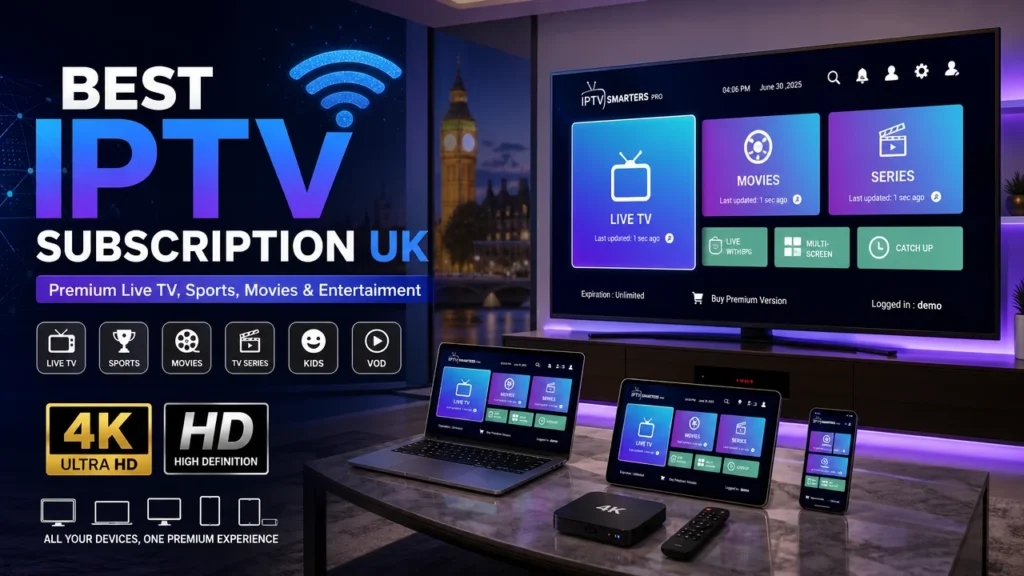
The activation flow in the image above is the most common pattern for managed IPTV subscriptions like tvpass. Do not buy a package that refuses to show a clear setup screen. If a seller only sends you a random M3U link and disappears, that is the exact situation tvpass tries to solve.
How to install tvpass without losing an evening
- Buy from the official partner or a verified reseller. Where to buy tvpass matters. The seller should provide a support email and clear activation instructions before you pay.
- Receive your portal URL and credentials. Usually sent by email after payment. Keep that email; it is your invoice and your first troubleshooting document.
- Download the recommended app. This may be a branded tvpass app or a generic IPTV player that supports portal login. Use the version from the seller’s official link, not random APK sites.
- Open the player and enter the portal URL or activation code. The app will pull the channel list automatically.
- Wait for the EPG to finish loading, then test a live channel. If you see a frozen screen, restart the app and check your connection before touching the account settings.
Why does tvpass not working happen?
When tvpass not working appears in a search, the usual causes are expired subscriptions, ISP-level blocking, an outdated app, or a portal change. Start with the simplest fix: check whether your subscription is still active. Then restart the app and clear its cache. If the channel guide loads but streams stall, switch your DNS to a public resolver like 1.1.1.1 or 8.8.8.8. If nothing works, send your provider a message with the device name, app version, and the exact channel that failed.
Best option by budget: tvpass pricing in 2026
If your budget is closer to $10 per month, a standard IPTV subscription will look more attractive. It may also become frustrating. Many cheap sellers only offer 3-, 6-, or 12-month plans, so a bad trial costs you months of access. The better low-budget route is to find a short-term plan or a provider that accepts payment for one month.
If you can afford a managed option, tvpass pricing in 2026 is easier to justify because the renewal terms and setup path are clearer. The best tvpass subscription for most people is the shortest paid plan with the clearest device allowance. A premium monthly plan is more expensive per month, but it limits your exposure if the service falls short.
Best option by experience level
For a beginner who just wants the news channel on before work, tvpass is the stronger pick. The activation code and guided app remove the guesswork. You also have someone to contact when a source fails during a big match.
For an advanced user who already knows how to set up TiviMate, VLC, or Kodi, a generic IPTV subscription can deliver acceptable results for less money. That user can switch playlists, adjust buffer sizes, and fix DNS issues without waiting for support. The decision is not about intelligence; it is about what your time is worth.
Recommendation by user profile
Sports-first users should lean toward tvpass because live event source switching is the hardest problem in IPTV. Families with multiple devices should also choose a managed option with multi-screen support. The photo below shows the hardware people normally use: a smart TV, an Android box, a Fire TV Stick, and a laptop sharing the same router.
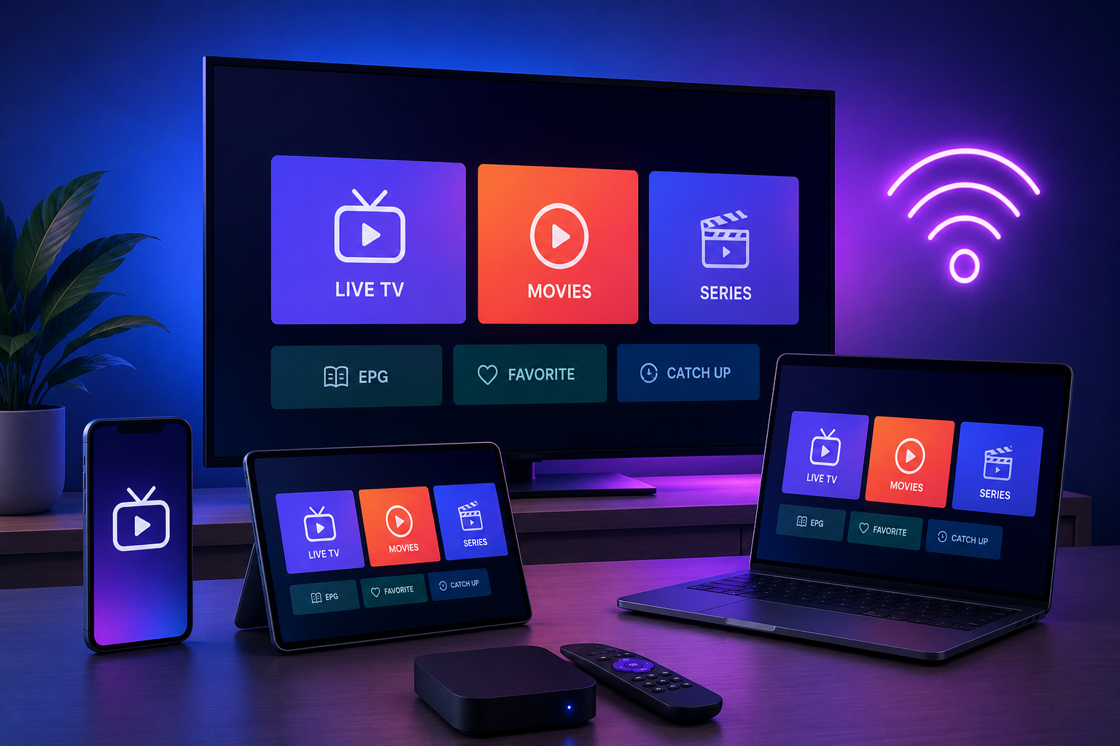
For a technical user in a region with strict ISP monitoring, a generic IPTV service plus a VPN can be enough. For a viewer who wants a familiar remote-control experience without extra apps and logins, tvpass remains the safer recommendation. The common denominator in every profile is transparency: know what you bought, where to get support, and when your plan renews.
Bottom line: which streaming option should you choose?
If you want a service that is easy to install, comes with a real account, and has a support channel when channels disappear, tvpass is the stronger option. The extra money buys fewer installation headaches, clearer billing, and a defined place to go when something fails.
If your budget is very small and you already know how to configure IPTV players, a standard reseller plan can work. Accept the risk of downtime and reinstallation. In most cases, the smart move is to start with a one-month tvpass plan, test it during the sports events you actually watch, and renew only if it passes that test.
Featured Streaming Selection:
Learn more about tvpass →Affiliate Disclosure: Clicking this secure link verified by our network supports our team through standard partnership terms at zero extra cost to your invoice.
Frequently Asked Questions
This article contains affiliate links. Our editorial analysis remains independent.