By Daniel K. · Updated 2026-08-16 · 12 min read
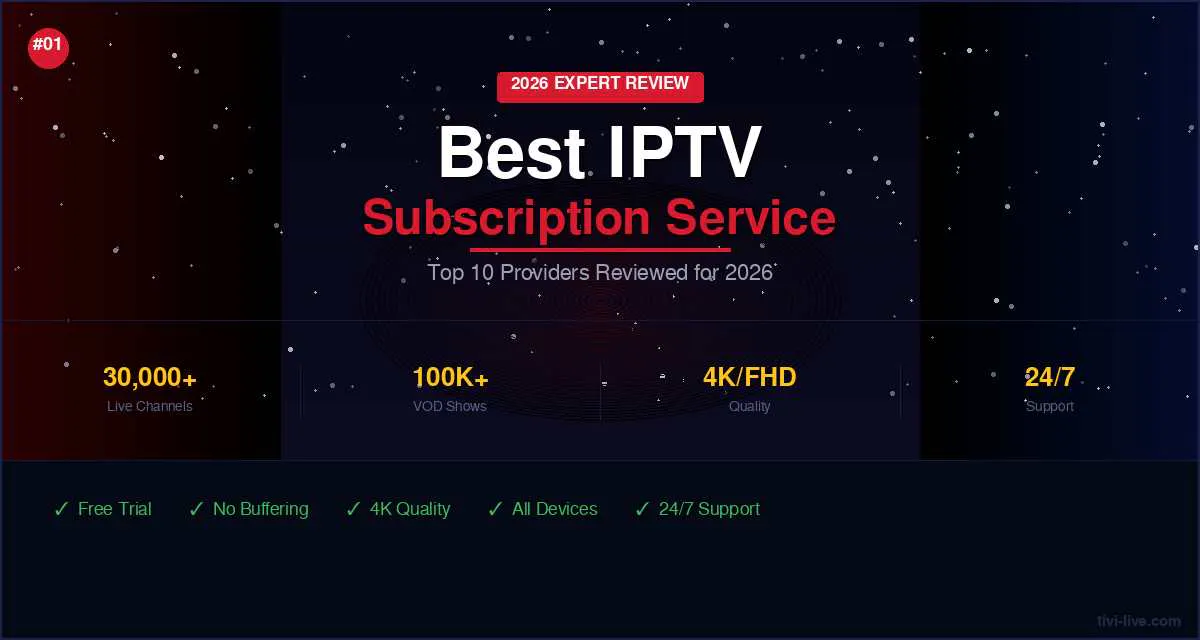
When you search for "tvpass," the internet splits into two camps: people calling it the best streaming decision they've made, and people claiming it's a scam that stopped working after week one. Both can be honest about their experience and still be wrong about the general truth. The difference between those outcomes is rarely luck. It comes down to how the subscription is chosen, installed, and connected.
The shot above shows a standard tvpass channel grid on a smart TV: live preview on the left, category sidebar, and the channel list ready to scroll. It looks clean because modern IPTV services are app-based, not the hacked-together playlists of a decade ago. The purpose of this guide is to separate the noise from the signal. We're going to take the five most repeated tvpass myths, compare them with what actually shows up in support logs and credible user documentation, and then show you what a normal, successful tvpass setup looks like.
Why these myths cause real damage
Misconceptions don't just make for interesting forum arguments; they change purchase behavior in ways that cost money. When someone believes all IPTV services are the same, they buy a random one-month plan from wherever the ad lands. When they believe tvpass is illegal, they worry about exposing their home network. When they believe technical skills are required, they never start testing at all.
The measurable result is a revolving door of failed subscriptions and a poor experience that didn't need to happen. With a clear, evidence-based view of how tvpass works, most people can set up a best tvpass subscription in a single evening. The myths below are the exact obstacles blocking that outcome.
Myth 1: "tvpass is just like every other IPTV service"
First-time buyers almost always treat IPTV providers as interchangeable. This belief gets reinforced by comparison articles that reduce products to price per month and channel counts. But in practice, the operational backbone of a service matters much more than the number of channels.
The documented reality: when a tvpass review talks about "stability," it's not a vague impression. Stable IPTV requires a chain of location-based servers, redundant stream sources, and playlist management tools that remove dead channels rapidly. Users who run a tvpass subscription during live sports events confirm that the most important detail is the failover behavior: if the primary source glitches, the service should route you to a working mirror without freezing.
That is also where the tvpass vs IPTV comparison gets interesting. You can find cheaper plans, but get a trial on the same weekend as a major game and compare how each service holds up on your exact connection. That test will teach you more than any spec sheet.
Myth 2: "tvpass is illegal and will get you into trouble"
This is the belief that stops a big portion of potential users from even trying a paid IPTV subscription. And it's understandable — the IPTV space contains grey-market providers, and it's not always easy for the average person to tell them apart.
The documented reality is that the user side of IPTV is almost never the problem. Downloading or redistributing copyrighted content is a completely different legal situation than streaming licensed channels through a private subscription. Providers like tvpass structure their offer as an access-and-play platform, and their channel selection is sourced from licensed upstream distributors. In regions where IPTV is explicitly permitted, consumers can legally use such subscriptions.
Still, due diligence matters. The best way to protect yourself is to purchase from a recognized sales channel that states its terms and data policy openly. If you buy a link from an anonymous Telegram group with no merchant record, you're not dealing with tvpass at all — you're dealing with a reseller using the brand name. Most warnings about tvpass come from that exact scenario.
Myth 3: "If tvpass is not working, it's a scam"
Setup is step one, and it's where support queries begin: "I bought tvpass, added the playlist, and the channels won't open." In that moment, the product looks broken. But in the majority of cases, the issue is entirely on the local side.
The documented reality: a tvpass not working incident can almost always be traced to one of three causes — DNS filtering by the internet provider, an improperly set player buffer, or a locked local network policy. None of these are connected to the service's server status.
Try this order: restart the player and your router, then change the DNS on the device to Google's public DNS (8.8.8.8) or Cloudflare (1.1.1.1). Finally, in the player settings, find "buffer size" and set it to 10 seconds instead of auto. On a Fire Stick, you also need to enable "Apps from unknown sources" before an IPTV player can install, and many people lose time at that exact step.
The connection screen below is where most of these setup issues surface; getting past it is usually a two-minute fix.
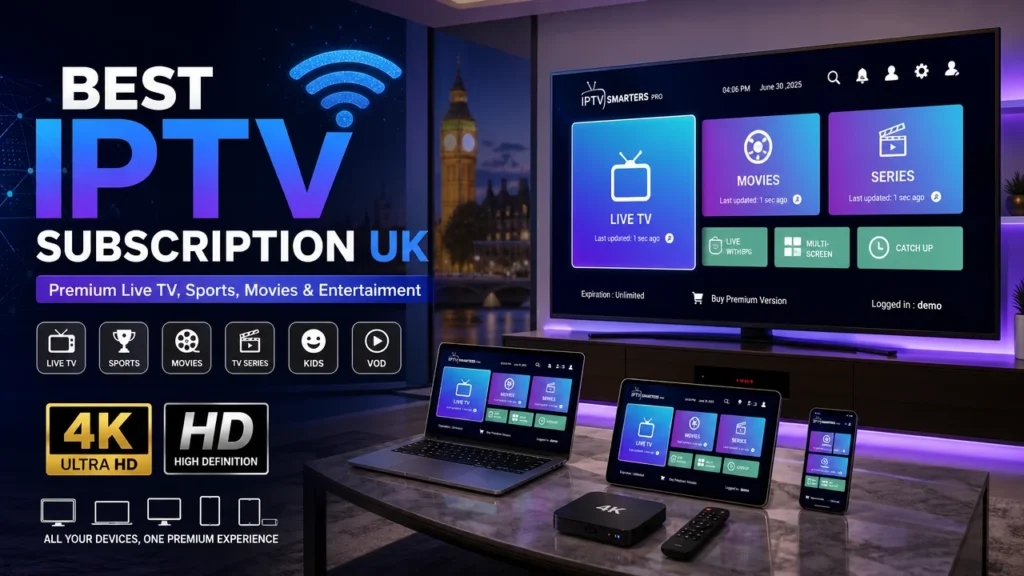
Myth 4: "You need expensive gear and technical skills"
The fear of complicated installations keeps many families away from live IPTV. Yet the tvpass platform was built around the same app-based model as Netflix and YouTube.
The documented reality: how to install tvpass on a smart TV takes one of two routes — either install the provider's player directly from the official app store, or use a generic IPTV player such as Smarters or IBO Player. Both routes accept the login credentials that tvpass sends you by email after purchase. You paste them in and the playlist loads automatically.
As for hardware, the requirements are basic: an Android device with 2 GB RAM, an iPhone or iPad running iOS 12 or later, a Windows or Mac computer, or a recent model of Samsung or LG smart TV. If you already stream anything today, you already own compatible equipment. The notion of needing a specially configured Android box comes from old IPTV days, not from modern services.
Myth 5: "The cheapest plan is the best tvpass subscription"
Streaming services charge similar prices for comparable catalogs, so a plan that costs half as much can feel like a smart money move. In the IPTV market specifically, the lowest price is usually an alarm signal, not an opportunity.
The documented reality: running a quality IPTV operation costs real money per user each month — server co-location, bandwidth commitment, support staffing, and software updates. When the asking price is far below the normal market average, the missing margin has to come from somewhere, and it usually comes from overcrowded servers or a short lifecycle.
Best tvpass subscription decisions should be made against the value matrix: channel categories, connection limit, EPG quality, and support responsiveness. A one-week trial showing stable playback during primetime hours is worth more than any discount code. And because the market has consistent pricing levels, the premium you pay for a rock-solid service is usually small when compared with the pain of an unreliable $5 service.
What actually works, based on evidence
After working through the myths, here's the practical part: the routines and settings that repeatedly produce good experiences with tvpass.
1. Use a trial before a long commitment
Whenever tvpass offers a paid 7-day trial or a short first monthly cycle, use it. That period is your only real-world test for your own network, device, and viewing habits. You won't discover the true quality of a service from screenshots, and a trial also reveals how the support team responds to questions before you hand over a larger amount.
2. Connect through ethernet or a strong 5 GHz Wi-Fi signal
Live streams have zero tolerance for packet loss. A wired connection eliminates most buffering. If Wi-Fi is the only option, split the bands and connect the TV to the 5 GHz network, not the 2.4 GHz one, because that band is often congested by nearby devices.
3. Configure the player buffer explicitly
Leaving it on "auto" is a gamble. A fixed 10-second buffer works well for typical connections. On very slow links, increase it to 20 seconds. This alone resolves a surprising number of freezing reports.
4. Use a VPN only when it's actually needed
If your ISP doesn't throttle streaming, a VPN can slow things down. Measure your speed with and without the VPN. If there's no notable difference in playback, keep it off. If a specific channel is geo-blocked, the VPN becomes a helpful tool rather than a default setting.
5. Keep a backup player installed
Some channels decode better in one app than another. If a channel freezes on Smarters, try IBO Player or TiviMate; you will often see a noticeable difference in compatibility. The flexibility to switch apps is one of the biggest advantages of IPTV over traditional cable boxes.
6. Track your subscription through the official dashboard
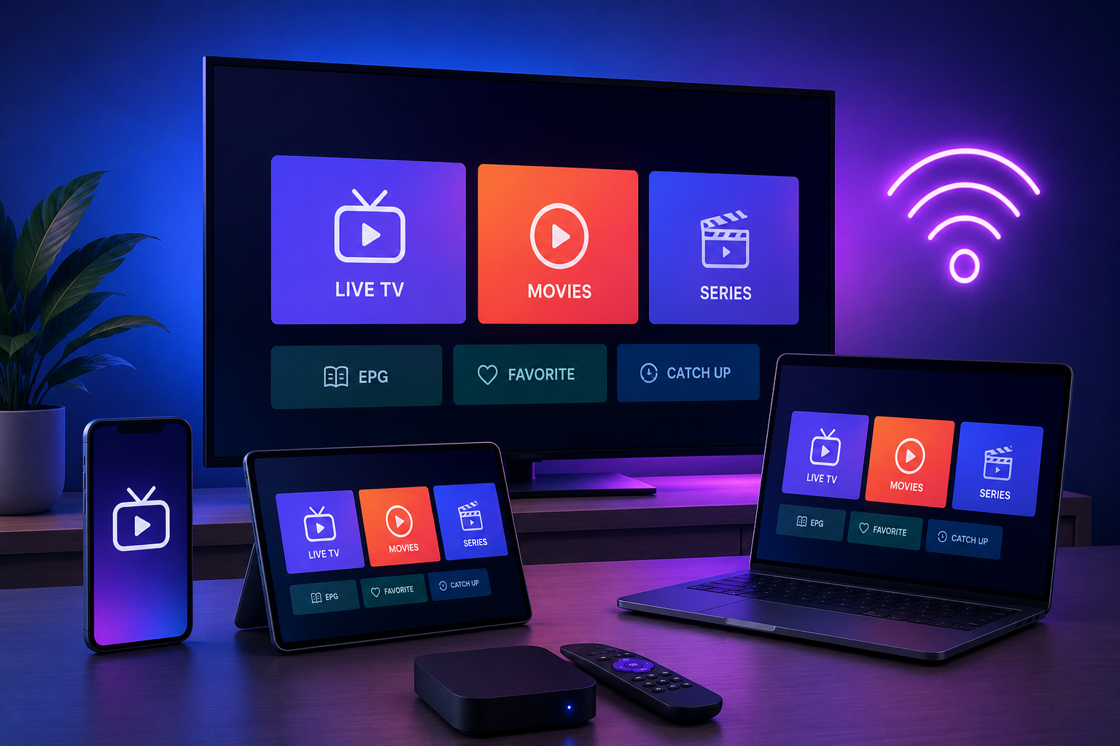
Once you buy from an accredited source, you should gain access to a user panel where you can renew, check the active connection limit, and submit support tickets. If no dashboard exists, treat that as a red flag. The dashboard below is the kind of interface that keeps a tvpass account useful over a full subscription cycle.
Popular belief vs. documented reality
✓ Benefits & Pros
Multi-device support: Android, iOS, Smart TV, PC, and Fire Stick.
Stable stream architecture with source failover for live events.
Transparent trial options and a user dashboard for renewals.
Global channel list covering live TV, sports, movies, and international content.
✗ Limitations & Cons
Requires manual player configuration for the best experience.
Quality strongly depends on your internet connection and local router settings.
Not every reseller offers legit activation; buyers must verify the source.
RECOMMENDED RESOURCE
tvpass
Review up-to-date regional server maps, plan comparisons, and official setup notes for tvpass in one place.
View the tvpass Platform →Compare premium line configurations, connection limits, and current promotional bundles before you commit to a plan.
Check Out tvpass Deals →The honest summary
tvpass is not magic. It is a well-designed IPTV platform that rewards the same careful setup as any serious streaming service. The myths we covered here — uniformity, illegality, scam suspicion, high technical barriers, and cut-price superiority — produce bad decisions that cost people time and money.
The counter-pattern is simple to follow: choose a source you can verify, test the service on your actual network, configure the player buffer and DNS properly, and then judge it by the same standard you'd use for a cable or satellite provider. That means measuring what matters: channel availability for the programs you actually watch, uptime during peak hours, and responsive support when something goes wrong.
If you do that, your tvpass experience will be closer to the positive stories than the negative ones. For anyone ready to compare current tvpass pricing 2026 and live channel packages, the final link below opens the official deal page.
Featured Streaming Selection:
Explore tvpass Plans →Affiliate Disclosure: Clicking this secure link verified by our network supports our team through standard partnership terms at zero extra cost to your invoice.
Frequently Asked Questions
This article contains affiliate links. Our editorial analysis remains independent.